Quantum computing has long promised a break from the limits of classical systems. The idea isn’t new, but turning it into something that matters outside the lab is where the real work lies. That’s where Orca Computing and ParTec step in. This isn’t about hypothetical progress or flashy predictions—it’s about turning quantum’s promise into something usable, particularly for AI. Their collaboration is focused, deliberate, and notably grounded in hardware that fits the real world rather than demanding the world change to accommodate it.
Let’s break down why this particular partnership matters and how it’s different from yet another announcement in the quantum space.
What Orca Brings to the Table

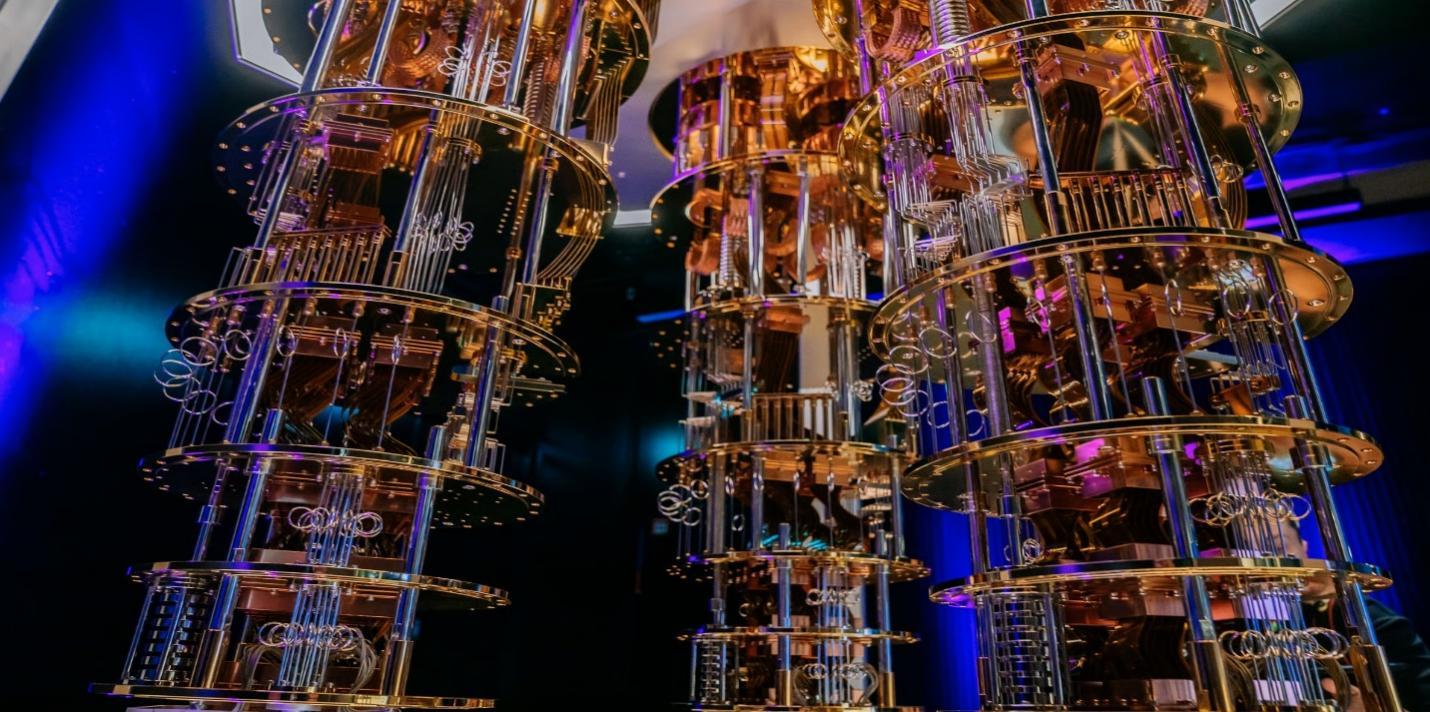
Orca Computing doesn’t do what most people imagine when they think of quantum systems. You won’t find massive, chilled rooms here. Their design is built around photonics. In simple terms, they use light to carry information, instead of relying on cold temperatures and complex electromagnetic systems. This makes their machines compact and more compatible with traditional data centers—no need for a total overhaul of existing setups.
The company’s approach centers on flexibility. Instead of building massive monolithic quantum machines, Orca focuses on modular systems. These can be integrated as needed, rather than demanding full commitment upfront. That sort of incremental entry into quantum workloads is key because it allows AI-focused environments to experiment without relying everything on results that may still be years out.
And perhaps the most critical element here: Orca's machines are designed to run alongside classical computing systems. They're not claiming to replace anything overnight. They're stepping in to augment what's already in use, focusing on narrow tasks where quantum advantage could matter most, such as optimization problems, model training tweaks, and high-speed data pattern discovery.
Why ParTec’s Role Matters
ParTec’s specialty lies in modular supercomputing and software-defined architectures. While it doesn’t attract as much attention as the hardware brands, its work is foundational—think of it as the scaffolding that holds everything in place. In a data center full of competing priorities, from memory allocation to task scheduling, ParTec builds systems that adapt to mixed workloads.
Their software stack makes it possible to coordinate workflows between classical CPUs, GPUs, and now, quantum processors. Rather than treating quantum as a separate silo, ParTec’s approach integrates it as just another processor type, which changes how developers and engineers interact with it. You don’t need to specialize in quantum theory to start seeing benefits. The tools fit into the pipelines that teams are already using.
What makes this partnership particularly relevant is that both companies are focused on fitting into environments that already exist. There's no attempt to force a sudden rewrite of how things are done. Instead, the goal is to quietly and gradually enhance operations by slotting in quantum where it can make the biggest difference right now.
Building Toward Quantum-Accelerated AI Factories
AI training environments are becoming increasingly demanding. As model sizes grow, so do energy requirements, memory overhead, and the time needed for each training cycle. What Orca and ParTec are targeting is the gap where quantum can offload the most computationally expensive parts—things like searching massive parameter spaces or optimizing large-scale datasets.
They call them “AI factories,” but don’t let the term distract from the point. These are just scalable systems built to train, deploy, and refine AI models quickly. What makes them different is the inclusion of quantum modules at points where they make measurable improvements.
A practical example? Imagine a situation where a neural network’s performance depends heavily on finding the right configuration among millions. Classical systems use trial-and-error methods to get there. Quantum-enhanced modules can speed up that exploration, reducing training time without changing the overall architecture of the model.
And thanks to ParTec’s orchestration tools, workloads can be dynamically shifted between classical and quantum modules. If something runs better on a quantum unit, it goes there. If it doesn’t, it stays on the classical side. This dynamic exchange is handled automatically—again, no need for teams to become quantum experts to benefit.
A Measured Step, Not a Leap
What’s refreshing about this partnership is the lack of exaggeration. There’s no claim that AI will become “fully quantum” in a matter of years. Instead, Orca and ParTec are working within the constraints of what today’s quantum systems can actually deliver. That means deploying tools that work now, with a clear upgrade path as the technology matures.
The U.K.’s interest in this isn’t purely academic either. Quantum computing is already part of the country’s larger tech strategy, and investments in scalable, practical quantum tools are lining up with that agenda. A modular, photonic-based solution that can be used in commercial data centers aligns well with public and private sector goals.
The real value here isn’t in theoretical speedups—it’s in being able to apply quantum processing to real-world AI pipelines without needing to overhaul every layer of infrastructure. That kind of measured rollout is how actual adoption happens. Quietly, deliberately, and with an eye on results over speculation.
Final Thoughts
It’s easy to get caught up in the future-facing nature of quantum computing. There’s always talk about what might happen five, ten, or twenty years from now. But the Orca-ParTec partnership is a bit of a rarity—it’s focused on what can be done right now, even if the full potential isn’t realized yet.
Instead of treating quantum as a moonshot, they’re building it into the toolkit of AI developers today. It's not about rewriting the playbook, but about inserting smarter plays where they count. Compact, modular hardware. Flexible orchestration. Thoughtful integration. Hope you find this piece of information worth reading.